
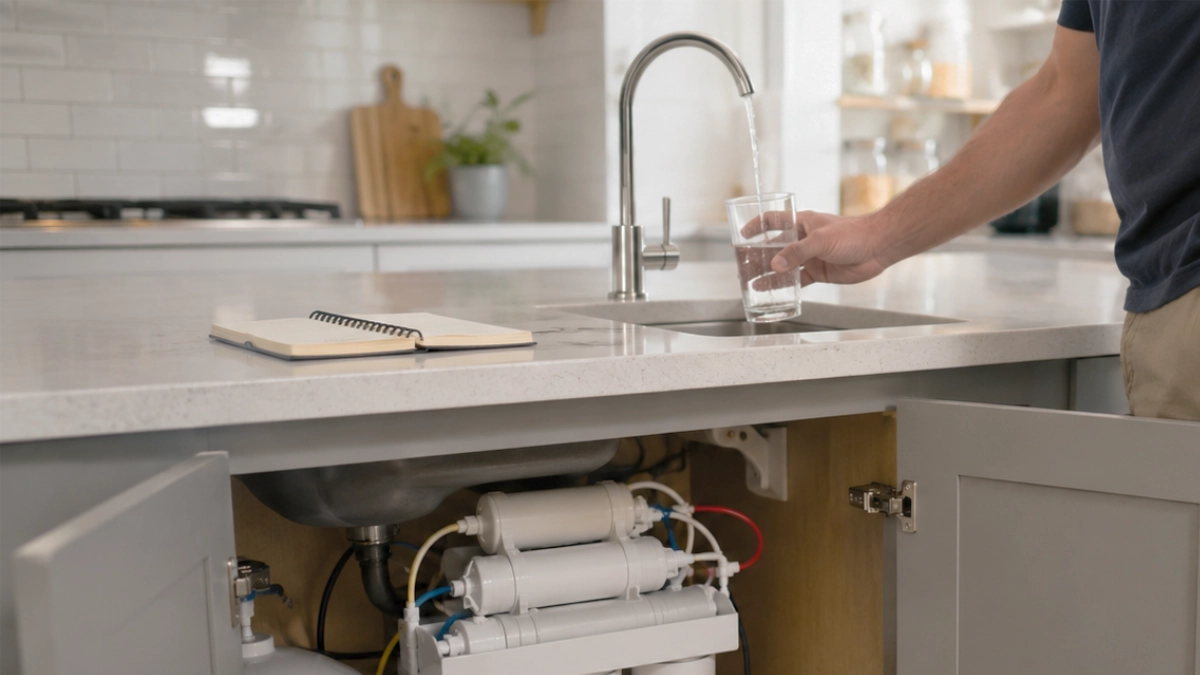
Considering a reverse osmosis (RO) system for your home? These systems are a popular choice for enhancing the quality of your drinking water right at the tap. Before making any decisions, it is essential to understand how these point-of-use systems function and what considerations are important for a successful installation. A well-planned approach, starting with a thorough understanding of your current water conditions, sets the foundation for selecting the right system for your needs.
Reverse osmosis systems are designed to treat water at a specific location, typically under a kitchen sink, providing filtered water for drinking and cooking. They are not intended for whole-house water treatment but rather for targeted improvement of water used for consumption. Understanding this distinction is key to setting appropriate expectations and ensuring you choose a water treatment solution that aligns with your household’s requirements. Proper preparation and knowledge of the installation process will help you make an informed choice for your home.
Understanding Your Water Quality
Before any reverse osmosis system installation, the first and most crucial step is to assess your current water quality. Water sources vary significantly, and what might be present in one area’s water could be entirely different in another. Conducting a comprehensive water test provides invaluable insights into the specific characteristics of your water. This testing helps identify various elements, including mineral content, pH levels, and other potential components that could influence the effectiveness and longevity of an RO system. Without this foundational understanding, selecting an appropriate system becomes a matter of guesswork, which can lead to suboptimal results. A professional water analysis will guide you toward a system best suited for your unique water profile, ensuring that your investment is well-placed and effective for your household’s needs. This proactive approach ensures that the RO system you choose is tailored to address the specific conditions of your water supply.
Preparing for Installation
Once you have a clear picture of your water quality, the next step involves preparing your home for the reverse osmosis system installation. RO systems typically require a dedicated space, often under the kitchen sink, and connections to both the cold water line and a drain. It is important to ensure there is adequate room for the system components, including the filtration unit and the storage tank. Proper ventilation and accessibility for future maintenance are also key considerations. Additionally, you may need to consider the placement of a separate faucet for the filtered water, which often requires drilling a hole in the countertop or sink. Planning these logistical aspects in advance can streamline the installation process and prevent unexpected challenges. Thinking through these details beforehand contributes to a smoother and more efficient setup, allowing you to enjoy your enhanced drinking water sooner. For broader water treatment solutions beyond point-of-use systems, you might explore options like whole-house water filtration, which can be found at https://a2homeimprovement.com/whole-house-water-filtration/.
Maintenance and Longevity of Your RO System
To ensure your reverse osmosis system continues to provide enhanced drinking water, regular maintenance is essential. This typically involves periodic replacement of filters and the RO membrane, as recommended by the manufacturer. The frequency of these replacements can depend on your initial water quality and the volume of water processed by the system. Neglecting maintenance can lead to reduced system effectiveness and potentially shorten its lifespan. Understanding the maintenance schedule and having a plan for routine servicing will help preserve the system’s operational integrity. Many homeowners find that keeping a log of filter changes helps them stay on track. By adhering to a consistent maintenance routine, you can help ensure that your RO system operates efficiently for many years, providing a consistent supply of treated water for your family. This commitment to care is a small effort for sustained water quality.
Frequently Asked Questions
1. What is a reverse osmosis system?
A reverse osmosis system is a multi-stage water filtration process that reduces various substances from water, typically used for drinking and cooking at a single tap.
2. How does water testing help with RO system selection?
Water testing provides a detailed analysis of your water’s composition, helping to determine the most suitable RO system to address specific water characteristics.
3. Can an RO system treat all the water in my home?
No, reverse osmosis systems are designed as point-of-use solutions, meaning they treat water at a specific faucet, usually for drinking and cooking, not for the entire house.
4. What kind of maintenance does an RO system require?
Regular maintenance includes replacing pre-filters, post-filters, and the RO membrane according to the manufacturer’s recommendations, typically every 6-12 months for filters and every 2-3 years for the membrane.
5. Where are RO systems typically installed?
Most RO systems are installed under the kitchen sink, providing convenient access to treated water for drinking and cooking.
6. Do I need a separate faucet for an RO system?
Yes, RO systems usually require a dedicated faucet to dispense the treated water, which is installed alongside your existing kitchen faucet.
Conclusion
Installing a reverse osmosis system can be a valuable upgrade for your home, providing a convenient source of treated drinking water. The key to a successful installation and long-term satisfaction lies in thorough preparation, starting with a comprehensive water quality test. Understanding your water’s unique profile allows for the selection of an RO system that is best suited to your needs. Furthermore, proper planning for the installation space and committing to regular maintenance will ensure your system operates effectively for years to come. By taking these steps, you can make an informed decision and enjoy the benefits of a well-maintained reverse osmosis system in your home.
Ready to enhance your home’s water quality?
Contact A2 Home Improvement today for water testing and expert advice on reverse osmosis systems.