Blown-In Fiberglass for Pensacola & the Gulf Coast
Blown-in fiberglass is a loose-fill insulation that reaches open attics and irregular, hard-to-access areas, an effective option for Pensacola & the Gulf Coast when matched to your ventilation, ductwork, and home assembly. A2 provides a focused evaluation of existing insulation, airflow, and prep, then compares blown-in fiberglass with spray foam, cellulose, fiberglass batts, or a radiant barrier so you can choose what fits your goals.
Request a Free Estimate
Fill out the form and a member of our team will contact you promptly.
A Fiberglass Insulation Option
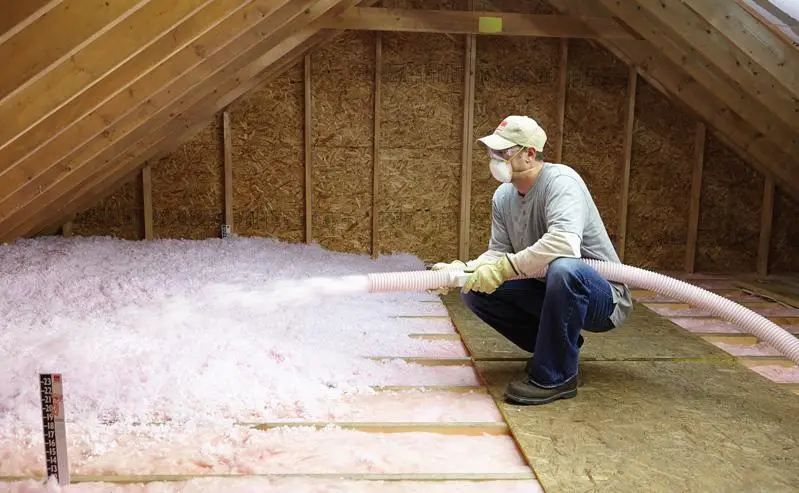
A2 offers blown-in fiberglass as part of its five insulation types, and it can be compared directly with the other solutions A2 provides for attics and ceilings. Unlike fiberglass batts that arrive in set sizes, blown-in fiberglass is installed as loose fibers through a hose, which allows material to settle around trusses, wiring, and framing without extensive cutting or fitting. Homeowners often consider it for open attics, flat ceiling planes, and situations where topping off certain dry, intact materials is being evaluated. It can also be discussed when access is limited and even coverage is a priority.
Planning matters because insulation interacts with ventilation, ductwork, and how your home is built. In our coastal climate, heat and humidity raise practical questions about airflow through soffit and ridge vents, bath fan terminations, and whether any gaps or penetrations should be addressed prior to adding material. An organized evaluation can note eave baffles, recessed lighting details, attic hatch conditions, and opportunities for basic air sealing that align with your chosen insulation. These steps help ensure the space is ready for installation and that the approach fits the way your roof assembly is intended to perform.
A practical discussion weighs tradeoffs in the context of your home’s layout and usage. Blown-in fiberglass can be considered next to spray foam, cellulose, fiberglass batts, and reflective insulation or a radiant barrier. The right choice reflects existing conditions, how often you access the attic, storage needs, and your goals for comfort and usability. If you want straightforward guidance for Pensacola & the Gulf Coast, start with an evaluation and a conversation about next steps.
Begin With an Insulation Evaluation
A2 evaluates insulation levels, the current insulation type, ventilation, ductwork condition, and the home’s building science. This evaluation provides the information needed for a practical discussion about blown-in fiberglass. During the visit, attic access, storage areas, and pathways are reviewed so coverage can reach all intended spaces. The team notes visible moisture history, soffit and ridge vent function, bath and kitchen fan terminations, and any items that may need protection or relocation. Recessed lighting, electrical boxes, and attic hatches are checked for clearances and sealing strategies appropriate to the selected approach. With these facts in hand, A2 Home Improvement can outline preparation steps and compare blown-in fiberglass to the other insulation types it offers, helping you decide what most appropriate fits your home in Pensacola & the Gulf Coast.
Where Blown-In Fiberglass Is Typically Used
Blown-in fiberglass is commonly considered for open attics and flat ceiling areas where loose-fill material can be evenly distributed for consistent coverage. It also works in attics with many obstructions, such as trusses, plumbing, or electrical runs, because the fibers can settle around framing and utilities more easily than cut pieces. Homeowners sometimes consider blown-in fiberglass when topping off certain existing materials that remain dry, intact, and free of contaminants. In Pensacola & the Gulf Coast, many homes have vented attics, so blown-in fiberglass is often reviewed in that context alongside soffit and ridge vents, eave baffles, and other airflow paths. It may also be discussed for garage ceilings beneath living areas, knee walls with access, and bonus rooms where cavities can be reached. Areas intended for storage may need raised platforms or defined zones before work begins, which can be identified during the evaluation and included in the planning conversation.
What To Consider Before Choosing Blown-In Fiberglass
A practical decision begins with what your attic or ceiling is showing today. Signs of moisture, past roof leaks, or compressed, dirty material can point to cleanup or remediation before adding any insulation. Ventilation needs careful evaluate so air can move as designed, which includes verifying clear soffit openings, intact baffles, and bath or kitchen fans that vent outdoors. Ductwork that runs through the attic should be checked for visible damage, disconnected joints, or missing mastic and tape that can affect comfort. Recessed lights, electrical boxes, chimneys, and pull-down ladders may require specific handling to maintain clearances or covers compatible with the chosen insulation. With these items confirmed, you can decide whether blown-in fiberglass aligns with your home’s needs in our coastal climate or if another material would better support your goals.
The A2 Home Improvement Evaluation and Discussion
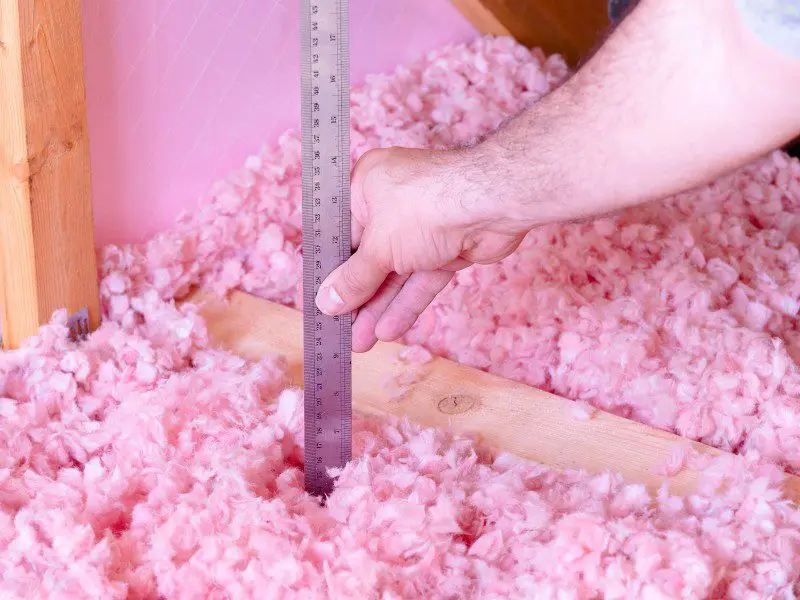
An A2 Home Improvement visit focuses on facts gathered from your home so the conversation stays grounded. The team measures existing insulation depth, identifies the current material, and notes ventilation details such as soffit intake, ridge or roof vents, and gable openings. Ductwork condition, visible air pathways, and attic access are recorded, along with observations about how the roof, ceiling, and mechanicals interact. Photos and notes from the attic and relevant rooms support a clear, side-by-side discussion of blown-in fiberglass and the other insulation types A2 offers. You can expect to evaluate how each option would fit your space, what preparation may be needed, and how work could be staged around storage areas and access points. The outcome is a documented recommendation you can evaluate at your pace to decide whether blown-in fiberglass is the right path or if a different material is a better fit.
How Blown-In Fiberglass Fits With Other Options
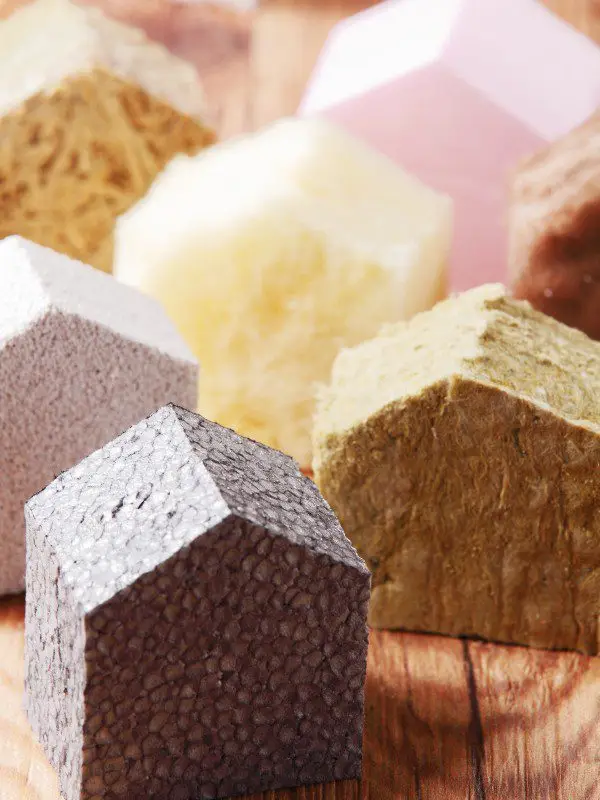
Blown-in fiberglass is one of five insulation types offered by A2 Home Improvement, and it is reviewed alongside spray foam, cellulose, fiberglass batts, and reflective insulation or a radiant barrier. Each option has settings where it fits most appropriate, so the discussion considers your attic configuration, ventilation approach, access, and whether the attic will continue being used for storage. Fiberglass batts come in set sizes and may be appropriate where cavities are uniform and open, while blown-in fiberglass can reach irregular spaces and fill around obstructions. Cellulose is another loose-fill material that may be weighed for certain applications. Spray foam and reflective insulation or a radiant barrier are distinct strategies that may be appropriate depending on the home’s design and how the attic is intended to function. The goal is to select an insulation plan that matches the space and supports how the house should perform in Pensacola & the Gulf Coast.
Planning, Access, and Home Readiness
Solid planning keeps the work area organized and helps achieve even coverage. Clear access to the attic or work zone allows equipment and hoses to move safely, and protecting walk paths can reduce dust transfer to living areas. Many homes have stored items in the attic, so consolidating or temporarily relocating belongings helps the team reach all areas that will receive insulation. Attic hatches and pull-down stairs are checked for fit and sealing, and any needed baffles or blocking are identified before material is added. If basic air sealing or prep is part of the scope, that work is sequenced first so the selected insulation can perform as intended within the chosen approach. By addressing these steps upfront, the installation plan stays aligned with the evaluation findings and the specific conditions in your Pensacola & the Gulf Coast home.
Clear, Practical Guidance for Your Insulation Decision
When you contact A2 Home Improvement about blown-in fiberglass, the conversation starts with how you use the space, what prompted your inquiry, and what you hope to improve. An on-site evaluation documents observable conditions in the attic and living areas, including insulation type and level, ventilation paths, and ductwork condition, supported by photos and notes. The team then explains how blown-in fiberglass compares with the other insulation options A2 offers, outlining where each could fit your project and what preparation might be needed. You receive a straightforward summary that lists recommended steps in a logical order, highlights any access or storage considerations, and defines the proposed scope so you can evaluate it carefully. The process centers on clarity and fit, using what your home shows to guide a practical decision that supports your goals for Pensacola & the Gulf Coast. If you are ready to see how this approach applies to your space, request an estimate and start the discussion.
Related Insulation Services
Questions About Blown-In Fiberglass
Does A2 offer blown-in fiberglass?
Yes, A2 Home Improvement offers blown-in fiberglass as one of the insulation options it discusses with homeowners. For properties in Pensacola & the Gulf Coast, this loose-fill approach can be reviewed alongside other materials to see how it fits attic layouts, ventilation, and access. During an evaluation, A2 Home Improvement looks at existing insulation, where air moves, and how the home is assembled so the role of blown-in fiberglass is clear. You can compare it with spray foam, cellulose, fiberglass batts, or a radiant barrier and weigh tradeoffs based on how you use the space in Pensacola & the Gulf Coast. If you want to consider blown-in fiberglass with a focused, fact-based discussion, please contact A2 Home Improvement to request an estimate and start the conversation.
Is blown-in fiberglass different from fiberglass batts?
Yes, they are different, and A2 Home Improvement treats them as separate choices because each installs in a distinct way and suits different conditions. In Pensacola & the Gulf Coast, blown-in fiberglass is typically considered for open attics and irregular spaces where loose fibers can settle around trusses, wiring, and utilities. Fiberglass batts arrive in set sizes that may fit uniform bays or framed cavities, which can be useful when access is straightforward and dimensions are consistent. During a visit, A2 Home Improvement evaluates ventilation, existing materials, and access so you can see how each option would interact with your attic and usage. If you are comparing these two materials for Pensacola & the Gulf Coast conditions, please contact A2 Home Improvement to request an estimate and evaluate them side by side.
What does A2 evaluate before discussing insulation?
A2 Home Improvement begins with an on-site look at observable conditions that influence insulation decisions, keeping the discussion grounded in your home’s facts. For homes in Pensacola & the Gulf Coast, the team evaluates existing insulation type and level, attic access, storage areas, ventilation paths such as soffit and ridge openings, and fan terminations. They also note ductwork condition, visible air pathways, recessed lighting clearances, and any items that may need protection or specific handling to align with the selected approach. This documentation supports a side-by-side explanation of blown-in fiberglass relative to spray foam, cellulose, fiberglass batts, or a radiant barrier so you can weigh tradeoffs. If you would like a clear evaluation tailored to Pensacola & the Gulf Coast conditions, please contact A2 Home Improvement to request an estimate and outline next steps.
Evaluate Blown-In Fiberglass Options
A clear plan starts with a look at your current insulation, ventilation, and ductwork, followed by a practical discussion of how blown-in fiberglass compares with other available options. If you are in Pensacola & the Gulf Coast and want a straightforward way to understand what fits your home, schedule a visit to evaluate conditions and define the scope. You will know which areas are ready, what needs preparation, and how the recommended approach aligns with the way your home is built and used. The result is a documented path you can evaluate at your pace with side-by-side context for each option. Take the next step toward a more informed insulation decision and get answers that are specific to your space. Request an estimate to discuss blown-in fiberglass for your Pensacola & the Gulf Coast home.