
Spray Foam Insulation for Pensacola & the Gulf Coast
Spray foam creates a powerful air seal that helps block wind‑driven drafts, heat, and humidity from moving through gaps in attics, walls, and hard‑to‑reach areas. Schedule an on‑site evaluation to see if open‑cell or closed‑cell foam is the right fit for your home’s current insulation, ventilation, and ductwork, and get a clear plan for placement, integration, and next steps.
Request a Free Estimate
Fill out the form and a member of our team will contact you promptly.
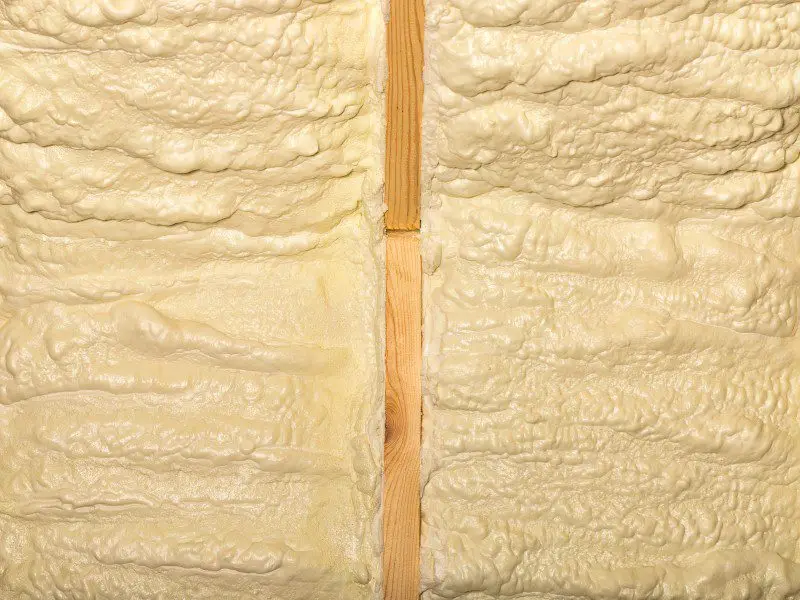
An Air-Sealing Insulation Option
Spray foam insulation is applied as a liquid that expands to fill gaps, seams, and irregular cavities, creating an air seal where other insulation types may not fully reach. It is available in two primary categories, open‑cell and closed‑cell, which are selected based on the conditions of the home and the goals of the project. In Pensacola & the Gulf Coast, this air‑sealing benefit is often important because wind, humidity, and temperature swings can drive air infiltration through small openings in the building shell. A careful approach starts with understanding where air is moving, what materials are already in place, and how the home is ventilated.

An A2 Home Improvement evaluation focuses on the areas you are trying to improve, such as the attic, exterior walls, floors over garages, or knee walls. The evaluate looks at existing insulation performance, duct location and leakage concerns, and any visible pathways where outside air is getting in. From there, A2 explains where spray foam can help, where another insulation type may be more appropriate, and how the pieces work together. The objective is a plan that fits the space, makes sense for coastal conditions, and respects the way your home is built and used. If you are weighing spray foam against other materials, a straightforward comparison with your home’s current setup is the most appropriate place to begin.
Evaluate the Existing Space First
Where Spray Foam Is Typically Applied
Spray foam is commonly considered for areas where air leakage is a concern or where cavities are irregular. Typical locations include attic rooflines, wall cavities during renovations or additions, rim joists, and floors above unconditioned spaces. In homes across Pensacola & the Gulf Coast, these areas often contain gaps around penetrations, framing joints, and utility runs that allow outside air to move freely. By expanding to contact surfaces, spray foam helps reduce those pathways. During an evaluation, A2 Home Improvement identifies which sections of your home would benefit most and where access is practical. The discussion also covers how spray foam would interact with existing insulation, finishes, and mechanical systems. Understanding the layout ahead of time keeps the plan focused on the spaces that deliver the most value for your goals.
What Homeowners Should Consider in Coastal Conditions
Coastal homes regularly experience wind‑driven rain, salt air, and high humidity. Those factors make air sealing and moisture‑aware planning more important. Before selecting spray foam, consider how the space is currently ventilated, whether ducts or equipment are in the attic, and how the roof and walls are detailed. Think about future access needs for wiring or plumbing, as well as any remodeling you are planning that might open walls. In Pensacola & the Gulf Coast, it is also wise to note how sun exposure, shaded areas, and daily temperature changes affect different parts of the home. A2 Home Improvement will help organize these considerations so you can see how spray foam fits within the broader plan. With a clear picture of your priorities, the material choice becomes easier and more confident.
The A2 Evaluation and Discussion Process
A2 begins with an on‑site evaluate to document current insulation, ventilation, and ductwork conditions. The team looks for visible air gaps, notes material types already in place, and checks how the space is used and accessed. Photos and measurements help build a shared understanding of what is happening in the home. From there, A2 Home Improvement explains where spray foam could be applied, where it may not be necessary, and how open‑cell or closed‑cell options might align with your goals. You will hear plain‑language pros and cons based on what was observed, not a one‑size‑fits‑all recommendation. The outcome is a practical roadmap that outlines scope, prep considerations, and how the work would coordinate with other projects you may be planning.
Ventilation, Ductwork, and Moisture Awareness
Any insulation decision should account for how air and moisture move through the house. If you are considering spray foam at the roofline, the conversation includes how that choice affects attic ventilation and how ducts and equipment will operate in that space. If the focus is walls or floors, A2 will note bath and kitchen exhaust paths, recessed light penetrations, and other details that influence air movement. In Pensacola & the Gulf Coast, these details matter because humidity and temperature shifts can amplify small issues. A2 Home Improvement will walk you through what needs to be sealed, what should remain ventilated, and how spray foam can be integrated without disrupting the way the home manages moisture. This careful evaluate helps the plan support comfort and durability goals.
How Spray Foam Fits With Other Insulation Options
Spray foam is one part of a broader insulation toolkit that includes cellulose, fiberglass batts, blown‑in fiberglass, and reflective or radiant barrier products. In some homes, spray foam is a targeted solution for key air‑leak areas, while another material is suitable for large open sections. In others, different spaces call for different materials based on access, investment considerations, or future maintenance plans. A2 Home Improvement will explain how combining approaches can address specific needs without overcomplicating the project. The comparison covers where each material works well and how they interact with ventilation and ductwork. With this context, homeowners in Pensacola & the Gulf Coast can confidently decide whether spray foam is the primary choice, a strategic add‑on, or a solution most appropriate reserved for certain areas.
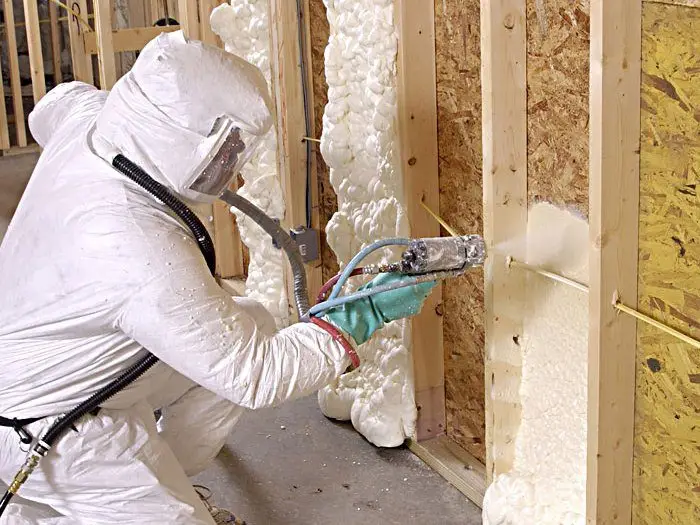
What to Expect From an A2 Spray Foam Conversation
Your discussion with A2 Home Improvement is focused on clarity. First, an A2 team member visits the home to observe the spaces in question and gather basic details about insulation, ventilation, and duct layout. You can expect straightforward questions about how you use the space today and what you would like to improve. After the visit, A2 outlines a recommended path that explains where spray foam makes sense, where another material may be a better fit, and how the plan would be carried out in practical terms. You will receive a clear scope description and an estimate you can evaluate at your own pace. If you have questions, the team will revisit the space details and talk through options until you are comfortable with the direction. The goal is to help homeowners in Pensacola & the Gulf Coast make informed decisions with a simple, step‑by‑step plan that respects the way each home is built and lived in.
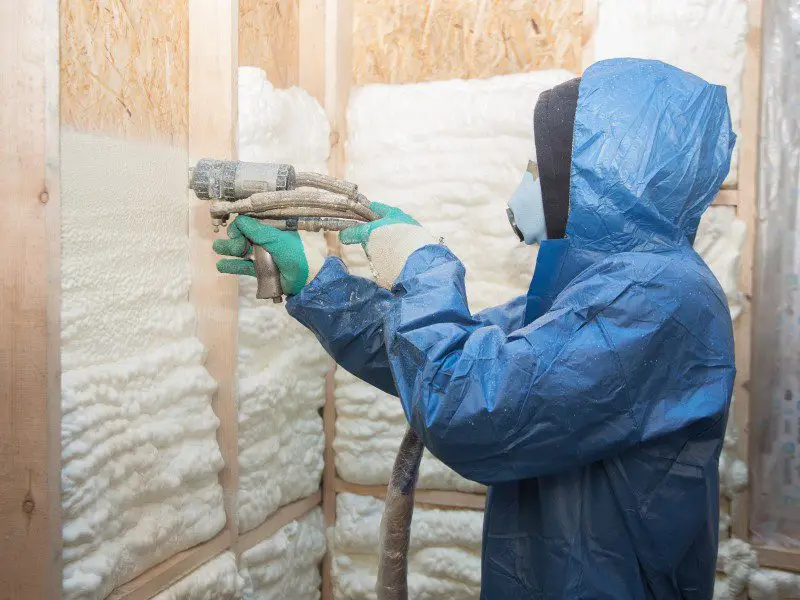
Related Insulation Services
Questions About Spray Foam Insulation
What types of spray foam are available?
A2 Home Improvement discusses two primary categories of spray foam, open‑cell and closed‑cell. Each type is chosen based on the space, goals, and conditions observed during the evaluation in Pensacola & the Gulf Coast. The team explains the differences in plain language so you understand why one option may be recommended over the other. You will also learn how the selected foam would interact with your existing insulation, ventilation, and finishes. For a clear explanation tailored to your home, contact the team or request an estimate.
Does spray foam provide air sealing?
Yes, A2 Home Improvement identifies air sealing as a core characteristic of spray foam insulation. By expanding to contact surfaces, it helps reduce unwanted air movement through gaps and irregular cavities in Pensacola & the Gulf Coast homes. The degree of improvement depends on the specific conditions in your house, including how the space is built and what materials are already in place. During an evaluation, the team points out where air leakage is occurring and how spray foam could address it. To discuss your home’s air‑sealing needs, contact the team or request an estimate.
How does A2 begin a spray foam discussion?
The conversation starts with an evaluation of your existing insulation and the related areas of the home, including ventilation and ductwork. A2 Home Improvement documents what is present, notes visible air‑leak paths, and listens to your goals for the space. With that information, the team explains whether spray foam is a good fit for the conditions found in Pensacola & the Gulf Coast. You will hear where it would be applied, how it integrates with other materials, and what steps would follow if you choose to proceed. To start that evaluation and plan, contact the team or request an estimate.
Talk Through Your Spray Foam Options
A thoughtful plan starts with a clear look at the space and a simple explanation of your choices. If you are considering spray foam for your attic, walls, or hard‑to‑reach areas, an on‑site evaluate will show where air is moving and how insulation changes could help. A2 Home Improvement will outline a practical scope, explain how spray foam fits with other materials, and answer your questions so you can decide with confidence. Take the next step toward a solution that matches your home and goals in Pensacola & the Gulf Coast. Request an estimate to begin the conversation and get a clear path forward.