
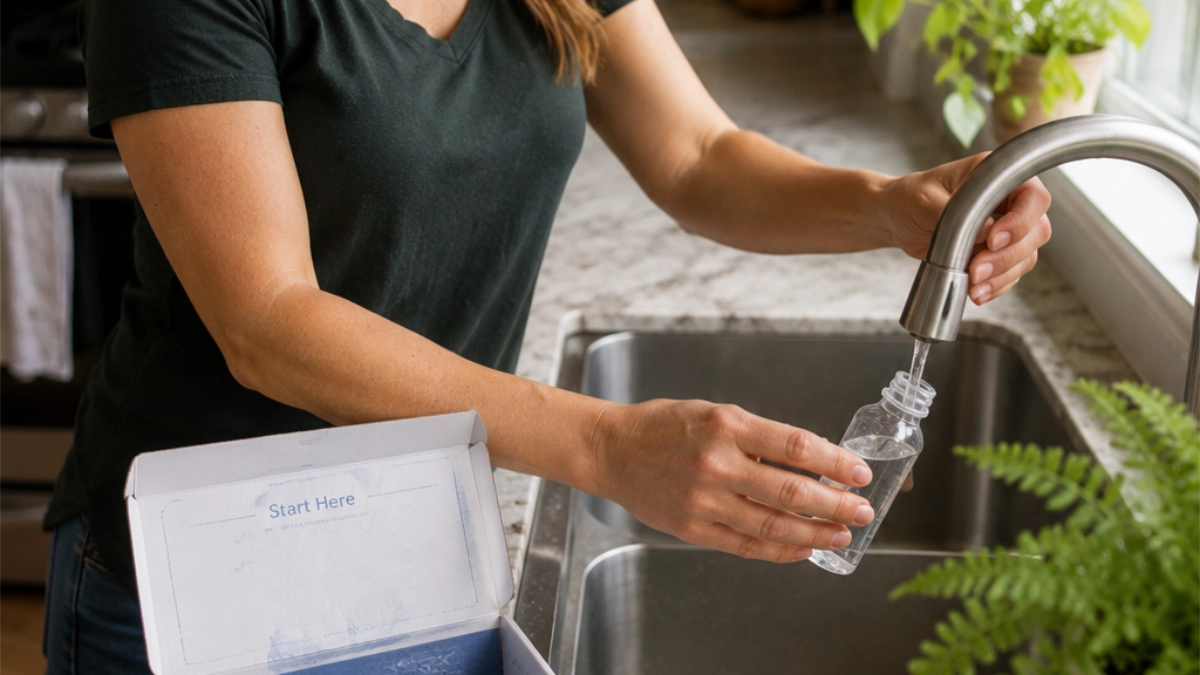
For homeowners relying on private well water, understanding its quality is paramount. Unlike municipal water systems, private wells are not subject to the same regulatory oversight, placing the responsibility for water safety squarely on the homeowner. This means that what comes out of your tap can vary significantly, influenced by local geology, environmental factors, and even the integrity of your well system. Before considering any water treatment solutions, a thorough and accurate well water test is not just a recommendation-it’s a fundamental step towards ensuring the water you use daily is suitable for its intended purpose.
Many factors can impact well water quality, some of which are invisible to the naked eye. Odor, taste, or discoloration can be obvious indicators of an issue, but many contaminants, such as certain bacteria, heavy metals, or dissolved solids, are undetectable without proper testing. These unseen elements can pose potential concerns for health and home infrastructure. Therefore, a comprehensive analysis provides a clear picture of your water’s composition, identifying any substances that might require attention. This initial assessment forms the bedrock of any informed decision-making process regarding water treatment, ensuring that any subsequent actions are targeted and effective.
Understanding Your Well Water Test Results
Once your private well water has been tested, the results provide a detailed breakdown of its chemical and biological properties. This information is crucial for identifying specific contaminants or imbalances that may be present. A professional analysis of these results can help you understand what each parameter signifies, from pH levels and hardness to the presence of nitrates, lead, or coliform bacteria. Interpreting these reports accurately is key to determining whether your water meets established guidelines for various uses, including drinking, cooking, and bathing. Without this clear understanding, any attempt at water treatment would be speculative, potentially leading to ineffective solutions or unnecessary expenses.
Each component identified in a water test report tells a story about your well and its surrounding environment. For instance, elevated levels of certain minerals might indicate hard water, which can lead to scale buildup in pipes and appliances. The presence of bacteria, on the other hand, suggests a potential health concern that requires immediate attention. Understanding these nuances allows for a tailored approach to water treatment, addressing the actual issues rather than applying a generic fix. This targeted strategy is more efficient and ultimately more beneficial for maintaining water quality over the long term. For more information on how water quality can impact your home, you might find it useful to explore resources on https://a2homeimprovement.com/whole-house-water-filtration/.
Developing a Targeted Water Treatment Plan
With a clear understanding of your well water’s specific characteristics, the next logical step is to develop a customized water treatment plan. This plan is not a one-size-fits-all solution but rather a strategic response to the unique challenges identified in your water test results. For example, if your water exhibits high levels of iron, a specific filtration system designed to remove iron would be appropriate. If bacterial contamination is detected, a disinfection method might be recommended. The goal is to implement solutions that directly address the identified issues, optimizing water quality for your household’s needs.
Effective water treatment planning involves selecting the right technologies and methods that align with your water test findings. This could range from simple filtration systems to more complex whole-house treatment solutions. The objective is to mitigate any identified risks and improve the overall usability of your well water. By basing treatment decisions on concrete data, homeowners can invest in solutions that are genuinely effective, avoiding guesswork and ensuring that their private well continues to serve their needs reliably. This proactive approach safeguards both the quality of your water and the longevity of your home’s plumbing and appliances.
Frequently Asked Questions
1. What are the common contaminants found in private well water?
Common contaminants can include bacteria (like coliform), nitrates, heavy metals (such as lead or arsenic), pesticides, and various minerals that cause hardness or affect taste and odor. The specific contaminants present often depend on the local geology and surrounding land use.
2. How often should private well water be tested?
It is generally recommended to test private well water annually for basic parameters like bacteria and nitrates. More comprehensive testing should be considered every three to five years, or immediately if there are noticeable changes in water quality, taste, odor, or color, or if a new well is installed.
3. Can I test my well water myself?
While some basic DIY test kits are available, they often provide limited information. For a comprehensive and accurate assessment of your well water quality, it is highly recommended to use a certified laboratory. Professional testing ensures precise results and identifies a wider range of potential contaminants.
4. What should I do if my well water test results show contamination?
If your well water test results indicate contamination, the first step is to consult with a water quality specialist. They can help interpret the results, explain the potential implications, and recommend appropriate treatment options tailored to the specific contaminants found. Do not attempt to treat the water without professional guidance.
5. How do I choose the right water treatment system for my well?
Choosing the right water treatment system depends entirely on the specific contaminants identified in your well water test. A water quality professional can review your test results and recommend systems designed to effectively remove those particular substances, ensuring an efficient and targeted solution for your home.
6. What if I suspect my well installation is faulty?
If you suspect issues with your well installation, it is important to contact a properly qualified local provider who specializes in well systems. They can assess the physical integrity of your well and address any concerns related to its construction or functionality. A2 Home Improvement focuses on water testing and treatment planning, not physical well installation or repair.
Conclusion
Private well water testing is an indispensable practice for any homeowner relying on this vital resource. It provides the necessary insights into your water’s composition, revealing both its strengths and any potential vulnerabilities. Armed with this knowledge, you can move forward with confidence, developing a targeted water treatment plan that addresses specific concerns and ensures the ongoing quality of your household water. This proactive approach not only contributes to peace of mind but also protects your home’s plumbing and appliances from the effects of untreated water. Prioritizing regular testing and informed treatment decisions is the smartest way to manage your private well water.
Ready to Request an Estimate for Water Testing and Treatment Planning?
Contact A2 Home Improvement today to schedule your comprehensive well water testing and receive expert guidance on developing a personalized water treatment plan for your home.