
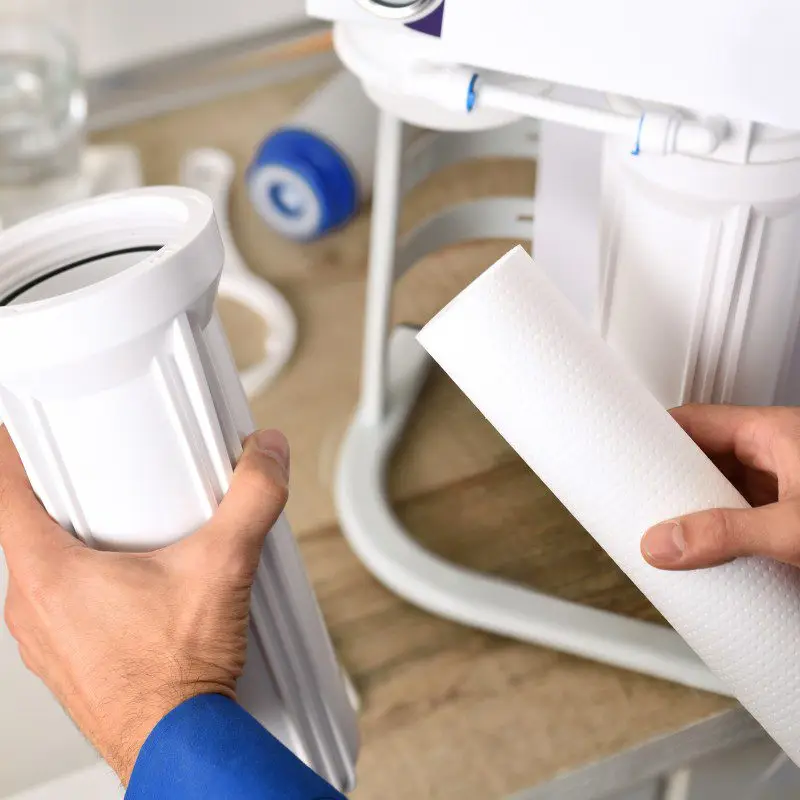
Many homeowners feel uncertain about how to choose a water filter that actually solves their real water problems. That uncertainty grows when marketing claims, multiple filter types, and varying installation options all compete for attention. Homeowners in Pensacola, FL need clear, practical guidance to match their household needs with a reliable system.
The wrong choice can mean poor water taste, continued exposure to unwanted contaminants, higher maintenance costs, or an undersized system that reduces flow and becomes a daily nuisance. Without a simple process to evaluate source water, contaminant priorities, system location, and maintenance needs, the search for a solution can become overwhelming. A straightforward inspection and testing-first approach removes most of the guesswork and helps protect both family health and plumbing.
Start with clear steps: test your water, identify the contaminants that truly matter for your household, understand the strengths and limits of common filtration technologies, and match those technologies to how you use water every day. This guide explains each step in plain language, highlights practical tradeoffs, and shows how whole-home and point-of-use systems can work together for better results.
Know your starting point: what water source and problems matter most
Identify whether your home uses municipal water or a private well and which contaminants you need to address first. Municipal systems often control bacteria and chlorine but can leave behind taste and odor compounds, chloramine, or trace industrial contaminants. Well water can bring minerals, sediment, iron, sulfur, or microbial risks that require different approaches.
Get a professional lab test or an accurate home test kit to establish contaminant levels before buying any system. A2 Home Improvement recommends water testing before selecting equipment to ensure the right fit for each household, and testing removes guesswork when comparing filters. Testing also sets a baseline to evaluate system performance after installation and during routine maintenance.
How to choose a water filter: matching filter types to needs
Match the filter technology to the contaminant you need to remove rather than picking on brand reputation alone. Activated carbon excels at reducing chlorine, volatile organic compounds, and improving taste and odor. Reverse osmosis is best for removing dissolved solids, nitrates, and many heavy metals but is typically a point-of-use solution for a single faucet.
Understand common filter options and their typical uses so you can weigh tradeoffs. Sediment filters protect downstream equipment and are inexpensive but do not remove dissolved chemicals; ultraviolet light treats bacteria and viruses but does not filter particulates or chemicals; catalytic carbon may be needed when chloramine is present. For whole-home coverage, systems designed for point-of-entry installation use larger media and higher flow capacities, while under-sink reverse osmosis systems treat only drinking water and require a storage tank.
Consider whole-home versus point-of-use solutions and sizing
Choose whole-home systems when you want consistent treated water at every tap, and choose point-of-use systems when you only need the highest purity at drinking and cooking faucets. Whole-home filtration protects plumbing, appliances, and water-using appliances from sediment, scale, and chemical exposure, and it keeps showers and laundry free of unpleasant tastes and odors.
Size the system to your household flow and peak demand so pressure and performance are not compromised. Whole-home systems are rated by flow at a given pressure; undersized systems can reduce flow and trigger complaints, while oversized systems can be unnecessarily costly. A2 Home Improvement offers systems sized for local homes and recommends professional assessment to match equipment to real demand rather than relying on rule-of-thumb guesses.
Evaluate lifespan, maintenance, and long-term costs
Assess filter lifespan and maintenance requirements as part of the purchase decision. Some media require yearly replacement while others can last several years with proper prefiltration; reverse osmosis membranes and carbon blocks have predictable replacement intervals that affect operating cost. Costs beyond initial purchase include replacement cartridges, professional servicing, and any required pre-treatments such as water softening or sediment reduction.
Factor water testing after installation into your maintenance plan so you know the system still meets performance expectations. A periodic test verifies that filters have not become exhausted and that the system still removes the contaminants identified at the start. A2 Home Improvement recommends follow-up testing when systems are installed to confirm performance and to establish a maintenance schedule tailored to local water conditions.
Consider special features and manufacturer credibility
Prioritize systems with documented performance data and reputable manufacturing practices rather than only headline claims. Some systems are sold with independent lab testing or performance sheets that show reduction rates for specific contaminants; review those documents in light of your test results. Authorized dealer status can be informative, because local dealers can provide service, warranty support, and correct sizing.
A2 Home Improvement is an authorized dealer for Puronics systems, which were developed with NASA technology and are rated to filter out 99.9 percent of contaminants with a system lifespan of 20 years. That background helps explain why some homeowners prefer a system with established performance and long projected life, but your own water test should still drive the choice of specific media and system configuration. Remember that manufacturer claims are one part of the decision, and matching technology to the contaminants in your household is essential.
Integrate filtration decisions with overall home health and efficiency
Consider how filtration interacts with other home systems, such as insulation, ventilation, and plumbing, for a balanced approach to indoor comfort and durability. Poor insulation or uncontrolled humidity can increase risks of mold and corrosion that complicate plumbing and water quality concerns. ENERGY STAR provides guidelines on recommended home insulation R-values and thermal performance, which can be part of a broader plan to protect your investment in water systems.
Use professional inspections to coordinate improvements so one upgrade does not undermine another. For example, if you plan to install a whole-home system in a mechanical room or attic-access area, make sure that the space is conditioned appropriately and that the piping is properly routed to avoid freeze risk or heat load issues. A2 Home Improvement documents related home services and company background on their A2 Home Improvement Home page to help homeowners see how filtration fits in with other home improvement priorities.
Local considerations for Pensacola, FL and nearby coastal areas
Account for regional climate and housing styles when planning installation and maintenance for water filtration systems. Coastal homes may face humidity and salt-air exposure that affect metal components, and mechanical rooms may be in different locations than in other regions; these factors affect material choices and protective measures. Because plumbing layouts vary across neighborhoods on the Emerald Coast, professional on-site inspection helps identify the best equipment placement and service access.
When evaluating whole-home options, think about recurring local conditions such as seasonal demand and landscaping irrigation that can affect total daily water use and peak flows. A properly sized entry-point system will avoid flow restrictions during high demand periods and will protect appliances and fixtures from abrasive sediment or chemical exposure. For homeowners who want consistent coverage, resource pages like A2 Insulation Pensacola illustrate how comprehensive home upgrades are often coordinated to address multiple issues at once, including water quality and building performance.
Matching common household priorities to filtration choices
Prioritize health-related contaminants first, then taste and appliances next, and finally convenience and cost considerations. If lead or bacteria are present, choose technologies proven effective for those contaminants rather than media that only improve taste. If the primary concern is scale or mineral deposits, a water softening step or targeted media is more appropriate than an activated carbon filter alone.
For most households, a combination approach delivers the best balance of protection and convenience: a whole-home sediment and carbon system paired with a point-of-use reverse osmosis under the kitchen sink is a common pattern. This hybrid strategy protects plumbing and appliances while giving exceptionally pure drinking water. Homeowners should also review local service options and the expected cadence of maintenance to avoid surprises.
Sizing the budget and avoiding common mistakes
Include lifecycle costs when comparing systems rather than focusing only on sticker price. A system with higher initial cost may require less frequent replacement and lower long-term maintenance expense, while a cheap upfront unit can have frequent cartridge changes that add up. Factor in labor for installation, which varies by system complexity and any needed plumbing adjustments.
Avoid common mistakes such as buying a system without water testing, choosing a system that does not meet your flow needs, or neglecting a maintenance plan. Insist on clear specifications for contaminant reduction, expected cartridge life, and post-installation testing. A2 Home Improvement recommends water testing and tailored system design to reduce the risk of these errors and to ensure a filter performs as expected over time.
Related resources for next steps
For more detail, review A2 Home Improvement’s A2 Home Improvement Home page and its A2 Insulation Pensacola resource before making a final plan. These pages provide additional context about the services and decisions discussed above, while keeping the focus on what applies to your property and priorities.
You can also explore Whole Home Water Filtration Pensacola when that aspect of the project affects your situation. For independent background, ENERGY STAR provides guidelines on recommended home insulation R-values and thermal performance. offers high-authority educational guidance that supports a careful, informed decision.
Frequently Asked Questions
1. What is the first step I should take when choosing a home water filter?
Start with a water test, and consider a professional inspection to identify source, probable contaminants, and system placement. A2 Home Improvement in Pensacola, FL recommends testing before any installation so you know exactly which contaminants to target. Testing also clarifies whether a whole-home system or point-of-use device is the right match for your household. Professional guidance prevents overspending on features you do not need.
2. Can a whole-home filter remove all contaminants for drinking water?
Whole-home systems can remove many contaminants that affect plumbing, appliances, and water taste, but the highest purity for drinking water often requires point-of-use treatment. A2 Home Improvement in Pensacola, FL explains that combining whole-home filtration with an under-sink reverse osmosis system is a common strategy when both comprehensive protection and drinking water purity are desired. This layered approach keeps plumbing protected while delivering very low contaminant water at kitchen faucets. Choosing the right combination depends on your specific test results and usage patterns.
3. How often will I need to service or replace filters?
Replacement intervals vary by media type, water quality, and household use, with some cartridges changed annually and others lasting multiple years. A2 Home Improvement in Pensacola, FL recommends establishing a maintenance schedule based on initial test results and watching pressure and taste as indicators of exhaustion. Professional servicing can include follow-up testing to confirm continued performance. Keeping a documented maintenance log helps with warranty and lifecycle planning.
4. Are there systems that require no electricity or produce wastewater?
Some passive filtration systems such as carbon or sediment filters operate without electricity, while reverse osmosis systems typically waste a portion of feed water during purification. A2 Home Improvement in Pensacola, FL advises homeowners to consider both water efficiency and local utility costs when evaluating options. If minimizing wastewater is a priority, look for high-efficiency RO units or alternative media that target your specific contaminants. Professional sizing and selection can balance efficiency, performance, and household needs.
Conclusion
Understanding how to choose a water filter starts with clear information, realistic priorities, and attention to the details that affect your property. Homeowners in Pensacola, FL can use the points in this guide to compare options, ask better questions, and make a confident next decision.
A2 Home Improvement Is Ready to Help in Pensacola, FL
A2 Home Improvement brings local expertise and a testing-first approach to water filtration projects in Pensacola, FL. If you want guidance tailored to your household water test results, use the company website or the contact form to request more information. Prospective customers can learn about authorized Puronics systems and how whole-home and point-of-use solutions might work together for their home.