
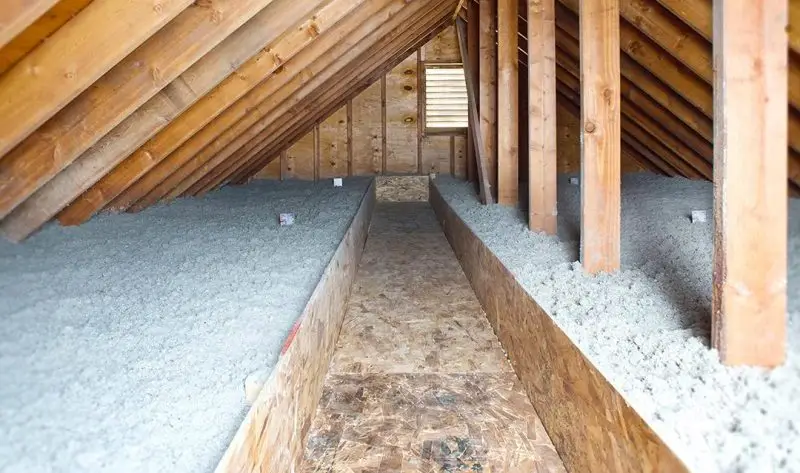
Air sealing is a critical step many homeowners overlook before storm season, and the result can be higher energy bills, uncomfortable drafts, and moisture-driven damage. When wind, rain, and fluctuating pressures find pathways into a home, small gaps and cracks become points of failure that make existing insulation and ventilation less effective.
Imagine a strong coastal storm with gusty winds and driving rain. Without proper air sealing, pressure differences push moisture into wall cavities, attic spaces, and around ductwork, increasing the risk of mold growth, wood rot, and degraded indoor air quality. Even if insulation levels look adequate on paper, uncontrolled air movement can nullify much of the expected thermal performance.
A targeted air sealing strategy reduces uncontrolled airflow, protects building assemblies, and stabilizes indoor comfort during and after extreme weather. By combining focused air sealing with an inspection-first approach, homeowners in Pensacola, FL can reduce the chance of storm-related damage and make their homes more resilient to the conditions that arrive with peak storm season.
Air Sealing and Peak Storm Season
Air sealing reduces uncontrolled airflow and helps keep wind-driven moisture and debris out during storms. This simple concept makes a big difference because air carries heat, humidity, and contaminants that can damage materials and reduce comfort when the weather turns severe. When gaps are sealed, the building envelope performs more predictably under pressure changes and stays closer to intended thermal design.
Air sealing also lowers the risk that warm, humid outdoor air will condense on cooler surfaces inside walls or attics during post-storm recovery. Condensation can lead to mold and rot that become expensive and disruptive to remediate. Addressing air leakage before storms gives homeowners time to inspect vulnerable areas and correct problems without the added pressure of emergency repairs.
How air leaks make storms worse
Air leaks allow storm-driven pressure differentials to move air through the building envelope, and that movement carries moisture. Wind and rain create transient changes in pressure around a home, and any unsealed gaps serve as conduits that speed moisture into framing cavities, attic insulation, and around ceiling penetrations. Over time this can reduce insulation effectiveness and create damp conditions favorable to biological growth.
Leaky ductwork and gaps around recessed lighting, plumbing stacks, and attic access points are common problem areas. In coastal climates like Pensacola, FL, salt-laden moisture can accelerate corrosion where warm, moist air meets cooler surfaces. Identifying and sealing these common leak sites gives homeowners a straightforward way to limit the pathways storms exploit.
Where to look for leaks and what to expect from an inspection
A thorough attic and envelope inspection locates the most significant leakage points and documents them for targeted repair. Expect a professional inspection to include visual checks, infrared scanning, and video analysis of attic and roof assemblies to find gaps around rafters, soffits, and penetrations. This inspection-first approach yields a prioritized list of air sealing tasks rather than a scattershot treatment.
Attic access, attic hatches, and duct boots are frequent sources of leakage that benefit from focused sealing and insulation detailing. Sealing at this level typically involves durable materials like acrylic- or silicone-based sealants, closed-cell foam where larger voids exist, and airtight gasketing at access points. A documented inspection helps homeowners understand which measures will reduce airflow most effectively before storm season arrives.
The building science behind air sealing and moisture control
Air always moves from higher pressure to lower pressure, and when the envelope is leaky, that movement can carry latent heat and moisture into assemblies. Proper air sealing reduces convective heat transfer, which complements the thermal resistance provided by insulation. This relationship is why sealing and insulating together produce better long-term performance than insulating alone.
Controlling air flow into wall and roof cavities also reduces the risk of condensation when warm, humid outdoor air contacts cool surfaces. In coastal climates like Pensacola, FL, humidity control matters year-round, but it becomes especially important when storms raise local moisture levels. Addressing air leakage is therefore both an energy and a moisture-management strategy that preserves building materials and indoor air quality.
How insulation and air sealing work together
Air sealing improves the effectiveness of insulation by preventing unwanted airflow that bypasses thermal barriers. Insulation slows conductive heat flow, but if warm or cold air moves through gaps and bypasses the insulation layer, the whole system underperforms. When air sealing is completed first, insulation can perform closer to its rated value across the building envelope.
Recommended thermal performance and R-values depend on the climate zone and the assembly type, and national guidance can help homeowners understand appropriate targets for Pensacola-area houses. ENERGY STAR provides guidelines on recommended home insulation R-values and thermal performance. Those guidelines show that sealing and insulation are complementary steps toward stable indoor temperatures and reduced energy use during both hot and stormy conditions.
Materials and methods commonly used for sealing
Air sealing materials include caulk, expanding spray foam, backer rod, airtight gaskets, and taped seams for sheathing and ductwork. Each material has appropriate applications: caulk for small gaps, spray foam for larger voids, and tape or membrane systems for continuous air barriers. Selecting the right material depends on gap size, exposure, and compatibility with adjacent building materials.
Installation quality matters as much as material choice because improperly applied products can fail or allow moisture to pass. Professional installers check for adhesion, continuous coverage, and proper sequencing with insulation and ventilation systems. In attic spaces, sealing around penetrations, insulating and sealing the attic hatch, and ensuring ductwork is airtight are high-value tasks that extend the life of insulation and reduce storm vulnerability.
Ventilation, moisture control, and balanced systems
Air sealing does not eliminate the need for ventilation; the goal is controlled ventilation rather than uncontrolled leakage. Mechanical ventilation strategies such as bathroom fans, kitchen exhaust, and balanced systems should operate with sealed ductwork and properly sized intakes. This ensures indoor air quality without undermining the benefits of a tightened envelope.
Balanced ventilation reduces the chance that wind-driven pressure will overwhelm exhaust fans and force unconditioned air into wall cavities. When the envelope is sealed, mechanical systems become more predictable in performance and easier to manage. Combining controlled ventilation with air sealing helps maintain indoor comfort and limits the entry of damp outdoor air during and after storms.
Complementary systems: insulation types and water filtration
Air sealing improves overall home resilience, and pairing it with the right insulation type creates a more durable barrier against storms. Homes in Pensacola, FL can benefit from a range of insulation options depending on their construction and goals, including spray foam, cellulose, fiberglass batts, blown-in fiberglass, and reflective insulation. Each type works with air sealing to reduce heat transfer and limit movement of moisture-laden air into building cavities.
Whole-home water filtration is a complementary measure for coastal properties where storm-related runoff or municipal supply changes can affect water quality after heavy weather. Testing your water before selecting a system helps ensure you choose the right solution for your household. Learn about whole-home water filtration options and system features that fit coastal homeowners on the A2 Home Improvement resource page for water systems.
What a pre-storm air sealing checklist looks like
A pre-storm air sealing checklist focuses on the highest risk areas first and documents completed work for future reference. Key items include sealing attic penetrations, weatherstripping doors and windows, inspecting and sealing ductwork, and sealing gaps around plumbing and electrical penetrations. Documenting these steps with photos or video during a professional inspection gives homeowners a record to review after a storm.
Another important step is ensuring attic insulation is continuous and not compressed by storage or obstructions. Proper insulation thickness and coverage around sealed areas prevents cold or warm spots that could otherwise encourage condensation. Combining a checklist with a prioritized repair plan helps homeowners address the most pressing vulnerabilities ahead of peak storm season.
The value of an inspection-first approach
An inspection-first approach identifies the most impactful leakage pathways and avoids unnecessary or untargeted work. By assessing insulation levels, ventilation, ductwork condition, and potential pest issues, inspectors create a clear scope for effective air sealing and related measures. This method reduces the chance of missed defects and ensures repairs focus where they will do the most good during storms.
Video and infrared analysis during inspection help visualize problems that are not visible to the naked eye. Infrared scans show thermal anomalies that suggest air leakage and missing insulation, while video inspection documents attic and crawlspace conditions. That combination of tools supports sound decisions about where to seal and which materials to use for durable results.
Long-term benefits beyond a single storm
Air sealing is not just a short-term fix for the next storm; it is an investment in longer-term resiliency and lower energy use. Reducing uncontrolled airflow improves year-round comfort, decreases HVAC cycling, and can extend the service life of insulation and mechanical systems. It also reduces the likelihood of moisture-related repairs and the health risks associated with mold growth.
In coastal and hurricane-prone regions, resilient homes recover more quickly and with less expense after severe weather. Thoughtful air sealing contributes to that resilience by limiting pathways for water intrusion and by stabilizing interior humidity levels. Over time, the combined benefits of sealing and insulating yield better protection and a more comfortable living environment.
How local conditions influence sealing priorities
Local climate and building types change how you prioritize sealing tasks. In Pensacola, FL, humidity levels and coastal storms guide attention to attic penetrations, roof-to-wall connections, and areas where salt-laden air can accelerate corrosion. Existing construction details such as vented attics, cathedral ceilings, and older ductwork also shape the best sealing strategy.
A local focus helps inspectors and installers recommend materials and methods that resist moisture and perform well under recurring coastal conditions. Understanding how local drives of wind and rain interact with building assemblies makes the difference between a checklist and an effective, lasting plan for storm season readiness.
Where to learn more about tailored solutions
Reliable information helps homeowners choose the right balance of air sealing, insulation, and ventilation. Resources from local contractors and national guidelines together create a practical pathway to improve home resiliency. Explore options and company approaches through A2 Home Improvement resources, which describe inspection-first practices and the range of insulation choices available to Pensacola homeowners.
For more detailed information specifically about insulation services designed for local conditions, review the A2 Insulation Pensacola page to see how different materials are applied in attic and wall systems. That resource provides context on how air sealing pairs with each insulation type to improve performance in coastal climates.
Preparing for storm season: timing and coordination
Scheduling air sealing and related work before peak storm season gives teams time to address unexpected issues discovered during inspection. Early-season work avoids rushed repairs and reduces the risk that materials will be in place during severe weather. It also allows homeowners to coordinate sealing with other projects such as attic insulation upgrades or ventilation improvements.
Coordination matters because sealing often precedes insulation upgrades and follows a clear diagnostic process. When work is staged thoughtfully, each step reinforces the next, leading to a more resilient and comfortable home before storms arrive.
Related resources for next steps
For more detail, review A2 Home Improvement’s A2 Home Improvement Home page and its A2 Insulation Pensacola resource before making a final plan. These pages provide additional context about the services and decisions discussed above, while keeping the focus on what applies to your property and priorities.
You can also explore Whole Home Water Filtration Pensacola when that aspect of the project affects your situation. For independent background, ENERGY STAR provides guidelines on recommended home insulation R-values and thermal performance. offers high-authority educational guidance that supports a careful, informed decision.
Frequently Asked Questions
1. What exactly does air sealing include, and why is it important before storms?
Air sealing means closing gaps, cracks, and penetrations in the building envelope so wind and moisture cannot move through unintended paths. A2 Home Improvement in Pensacola, FL uses inspection tools to prioritize the most important sealing tasks. Addressing these gaps before storm season reduces the chance of moisture damage and improves thermal performance. The process often targets attic penetrations, duct boots, and other high-leak areas.
2. How do I know if my home needs professional air sealing?
Indicators include visible drafts, uneven indoor temperatures, and higher than expected energy bills during seasonal changes. A2 Home Improvement conducts video and infrared analysis in Pensacola, FL to locate hidden leaks and quantify where sealing will help most. A professional inspection provides a roadmap rather than guessing at problem spots. That documented approach helps homeowners plan effectively before storms.
3. Will air sealing cause indoor air quality problems by trapping pollutants?
Proper air sealing is paired with controlled ventilation to maintain healthy indoor air and avoid trapping contaminants. A2 Home Improvement recommends evaluating ventilation needs in Pensacola, FL as part of the inspection so fresh air and exhaust systems are balanced. When sealing is done correctly, it reduces uncontrolled infiltration while preserving intentional ventilation. This balance supports better indoor air quality and comfort year-round.
4. How does air sealing work with different insulation types used in coastal homes?
Air sealing reduces convective bypass so insulation can perform as intended regardless of type, from spray foam to reflective barriers. A2 Home Improvement applies air sealing strategies that match the chosen insulation in Pensacola, FL to ensure continuous thermal protection. Each insulation type has unique installation considerations that benefit from a sealed envelope. The combination of proper sealing and appropriate insulation yields better moisture control and energy performance.
Conclusion
Understanding Air Sealing starts with clear information, realistic priorities, and attention to the details that affect your property. Homeowners in Pensacola, FL can use the points in this guide to compare options, ask better questions, and make a confident next decision.
A2 Home Improvement Is Ready to Help in Pensacola, FL
A2 Home Improvement brings an inspection-first process and local experience to help Pensacola, FL homeowners prepare before peak storm season. Use the company website or contact form to request an attic assessment or to learn more about combining air sealing with insulation and water filtration. Their team documents conditions and priorities so you can plan resilient, long-lasting improvements.