Attic Insulation Upgrade | Maximizing Energy Savings in Pensacola, FL
- A2 Home Improvement
- Serving Pensacola and the Gulf Coast
- Attic Insulation
Introduction
An attic-insulation project should start with an inspection and a clear conversation about what the contractor observes, what the proposed work includes, and what results are realistic. This review-led case study is based on a homeowner who reported that A2 Home Improvement installed attic insulation on February 21, 2025. The reviewer praised the pre-work attic inspection, the explanation of cost-saving benefits, technician Mike’s commitment to completing the work correctly, and the professionalism of the team. The review does not disclose the project city, insulation material, existing R-value, installation method, price, or measured energy outcome. This case study therefore uses the review as its project record and presents independent building-science context without implying unreported results.
Project Summary
The confirmed project record is that A2 Home Improvement installed attic insulation at the customer’s home on February 21, 2025. Before the work, the team conducted what the reviewer described as a thorough attic inspection and explained the cost-saving benefits of proper insulation. The review identifies Mike as the technician and credits him with being dedicated to ensuring the job was done correctly. It also describes the broader team as friendly, knowledgeable, and experienced. No product type, material quantity, location, duration, or measured comfort and energy result is disclosed, so those details are not asserted here.
Location: Pensacola FL
Service: Attic insulation.
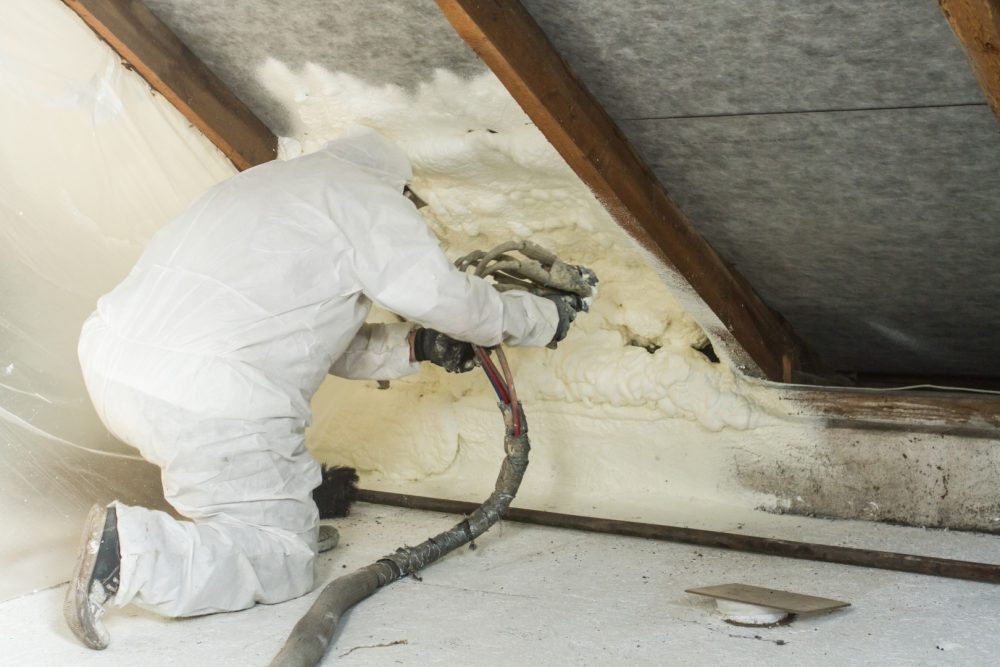
Equipment Used / Tools: Our crew installed the new insulation using a high-capacity blowing machine, attic ventilation baffles, expanding foam sealant, and professional protective equipment.
Crew: A2 Home Improvement team
Completion Time: 2 days
The Challenge
The review establishes that the homeowner wanted attic insulation and valued a thorough pre-work inspection plus an explanation of potential cost-saving benefits. It does not describe a specific comfort complaint, utility-bill level, existing insulation condition, or targeted R-value. The practical challenge in a case like this is to turn an inspection into a clear, evidence-based scope. A homeowner should understand the observed conditions, the proposed insulation approach, the areas covered, any related air-sealing or ventilation concerns, and the assumptions behind any discussion of savings. The contractor’s role is to communicate those limits clearly while completing the agreed work carefully.
Main Challenges
- Conducting the thorough attic inspection described by the homeowner before work began.
- Explaining the potential cost-saving benefits of proper insulation without promising a specific result.
- Defining the actual material, installation method, work area, and any related conditions in a project-specific scope.
- Completing the agreed work with the professionalism, knowledge, and friendliness praised in the review.
“On 2/21/25 we had attic insulation installed in our home. We were very pleased with the quality and professionalism of the a2 team. They provided us with a throughal inspection of our attic prior to the work done and pointed out the cost savings benefits of proper insulation. Our technician Mike did a outstanding job and was totally dedicated to insuring it was done correctly. We found all members of the a2 team friendly, knowledgeable and experienced. Our family would very much recommend this company.“
— Pam Supinger
Good to Know
Attics are an important part of a home’s thermal and air boundary. Pacific Northwest National Laboratory guidance explains that attic air sealing, insulation, and ventilation should be considered together when addressing roof and attic heat gain [1]. The benefit of any insulation change depends on the existing conditions, including insulation level, air leakage pathways, duct location, roof configuration, climate, and ventilation. A professional inspection is useful because it can turn those general concepts into a property-specific scope rather than assuming that more insulation alone will solve every comfort or energy concern.
The ENERGY STAR guidance notes that low attic insulation levels and air leaks can make heating and cooling systems work harder, waste energy, and reduce comfort [2]. An inspection should look beyond insulation depth. It may include accessible evidence of compression, moisture, contamination, pest activity, exposed or unsafe electrical components, air-leakage paths, and ventilation conditions. Not every concern will exist in every attic, and a review cannot establish that these were present at a particular home. The Pam Supinger review confirms that A2 conducted a thorough attic inspection before the work, but it does not list the findings.
R-value is a measure of resistance to heat flow, but it is only one part of the decision. The effective performance of an attic also depends on installation quality, gaps, settling, compression, air sealing, ventilation, and the surrounding assemblies. A contractor can explain how the existing condition and proposed material affect the scope. Savings estimates should be presented as estimates, because real-world results depend on the home, occupancy, weather, thermostat practices, utility prices, and other variables. This distinction helps homeowners use the cost-saving discussion in a review as a starting point for questions rather than a guaranteed outcome.
Our Solution
The review confirms two important parts of the process: the team performed a thorough attic inspection before work and pointed out the cost-saving benefits of proper insulation. It does not disclose the inspection checklist, observed conditions, pricing conversation, or recommendation details. In a best-practice attic-insulation process, a useful written proposal would state the accessible observations, recommended materials and work areas, relevant exclusions, and the factors that can affect results. That clarity allows the customer to compare the proposed work with the concerns found during the inspection.
The reviewer identifies Mike as the technician and says he was dedicated to ensuring the job was done correctly. The review does not identify the insulation product, installation equipment, depth, work areas, electrical conditions, or ventilation steps. Those facts should not be inferred from a positive review. For any attic project, customers can ask the contractor to specify the insulation type, applicable R-value target, installation method, access and protection plan, attic penetrations or air sealing included, and any conditions that require additional trades.
The customer experience is strongly supported by the review. Pam Supinger wrote that the team was friendly, knowledgeable, and experienced, that the quality and professionalism were pleasing, and that the family would recommend the company. The review also identifies Mike’s dedication to ensuring the work was done correctly. It does not report measured energy savings, a specific R-value, or a quantified comfort improvement, so this case study treats customer satisfaction with the workmanship and explanation as the confirmed project outcome.
Why Choose A2 Home Improvement
A2 Home Improvement’s public insulation information says its inspection considers insulation levels and type, ventilation, ductwork condition, building science, and possible pest issues before recommendations are made [3]. The Pam Supinger review provides customer-specific evidence that A2 performed a thorough attic inspection and explained the cost-saving benefits of proper insulation. A homeowner should still request a current inspection and written scope, because the correct recommendation depends on the property’s observed conditions and the intended work.
The review gives a meaningful view of customer service: the homeowner praised the quality and professionalism of the team and described its members as friendly, knowledgeable, and experienced. Mike was specifically credited with dedication to getting the work right. A review cannot replace a project agreement, so customers should confirm the material, scope, expected timeline, exclusions, price, and warranty terms for their individual home before authorizing work.
Our Frequently Asked Questions
1. How much money can I save by upgrading my attic insulation?
Savings vary by home and should be presented as estimates rather than guarantees. The Pam Supinger review says that A2 pointed out cost-saving benefits of proper insulation during the attic inspection. Ask how the estimate was developed, what assumptions apply, and which other factors, such as air leakage, ducts, weather, and thermostat use, may affect actual results.
2. What happens during an A2 Home Improvement attic inspection?
The Pam Supinger review says A2 conducted a thorough attic inspection before work. A useful inspection discussion should explain what was observed, the proposed work area and material, any air-sealing or ventilation considerations, conditions outside the scope, and the basis for any expected benefits.
3. Are your technicians trained to handle complex insulation jobs?
Pam Supinger’s review describes the team as friendly, knowledgeable, and experienced, and credits Mike with dedication to ensuring the job was done correctly. For any specific project, customers can ask who will perform the work, what scope and materials are planned, and what quality-control or warranty documentation will be provided.
The Result
The verified result is the family’s satisfaction with the completed attic-insulation project. Pam Supinger wrote that they were very pleased with the quality and professionalism of the A2 team, praised Mike’s dedication to completing the job correctly, and said the family would very much recommend the company. The review does not provide before-and-after temperatures, energy-bill data, R-values, or any measured HVAC effect. Those outcomes should not be claimed for this specific project.
The review also establishes a clear process result: the customer valued the thorough initial inspection and the explanation of proper insulation’s cost-saving benefits. The stated professionalism, friendliness, knowledge, and experience of the team are central to the case study. This is a useful reminder that customer education should happen before work begins, while the final decision should still be informed by a current property assessment and an explicit scope of work.
Need Professional Insulation Services?
If you are considering attic insulation, start by asking for a current assessment and a written explanation of the proposed materials, work areas, related conditions, costs, and assumptions behind any savings estimate. Contact A2 Home Improvement at (850) 449-1802 or use the website quote-request form to ask about an inspection.
Service Areas
- Pensacola, FL
- Mobile, AL
- Fairhope, AL
- Daphne, AL
- Niceville, FL
- Panama City, FL
- Emerald Coast
- Florida Panhandle
- Eastern Shore of Alabama
References
[1] Pacific Northwest National Laboratory. “Air Sealing, Insulating, and Venting Attics and Roofs to Reduce Heat Gain.”
[2] ENERGY STAR. “Well-Insulated and Sealed Attic.”
[3] A2 Home Improvement. “A2 Insulation Pensacola’s Contractor.“